A Few Words About How To Use Your Bellyboard
You’ve just got yourself a lovely Wooden Bellyboard and you’re building up the courage to use it, but you’re just not sure what to do! Hopefully, this short blog will have enough information to get you started.
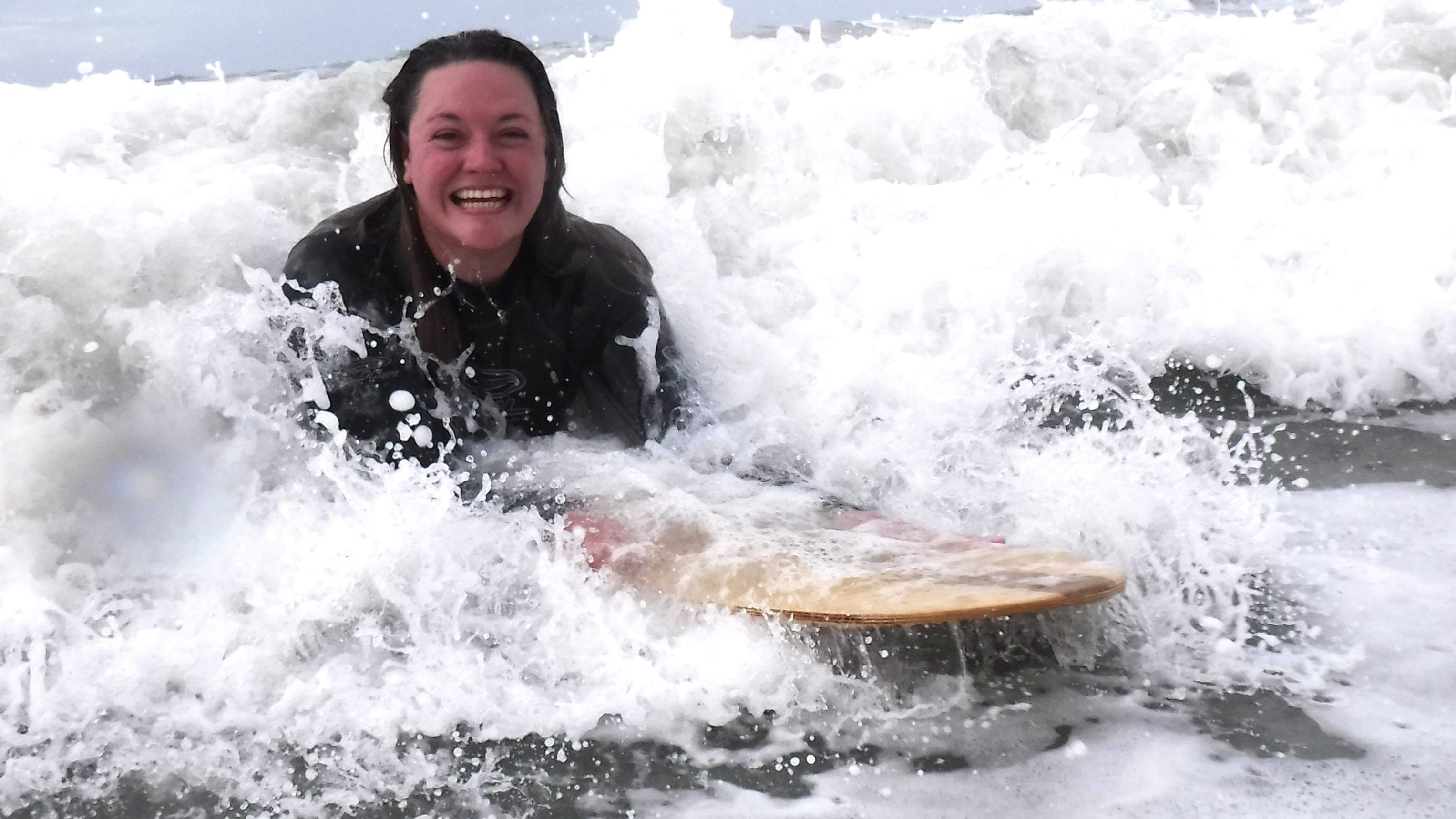
Will It Be Safe?
The very first thing I have to say is ONLY GO IN, IF IT’S SAFE TO DO SO!!!! Personally, I’m not the greatest swimmer and I know my limitations. There will be times when I’ve driven to a beach, anticipating a good boarding session, but the sea is just too rough. The Surfers’ phrase for it is – Death On A Stick. Even though I’ll be disappointed, I will still be alive! So, always stay within your capabilities.
What’s The Best Tide?
Ideally, you’ll be looking for a good run-in. That is a long low stretch of sand or shingle, but not a steep bank. Bracklesham and East Wittering beaches are really steep at high tide, which means you’ve got a high risk of slamming into the stones. I’ll be honest, I’ve done it and, although it was exciting, I nearly broke most of my fingers. Low Tide usually means you get that good run-in I mentioned. So, it’s either on the falling tide, or better still, the pushing tide.
Take some time to look at the waves. Although, bellyboarders can make use of more waves than foot surfers, it’s still worth taking the time to watch what’s happening. If the waves dump, that is break suddenly, you wouldn’t want to be under them. You can still ride the white water though, just put yourself closer to the shore, so the waves are breaking a good distance behind you, then catch the frothy white stuff.
The best conditions are when the waves are holding up, usually because there’s an off-shore wind or very little wind at all. You’ll see more green in the waves before they break (I describe this as the green wall). This wall is the swell that will give you a push all the way to the shore.
Okay, So You’re In The Water
As you’re walking into the sea, keep your Bellyboard to the side, you don’t want a wave to smack it in your face! Get to where it’s about waist deep and then you’re ready to go.
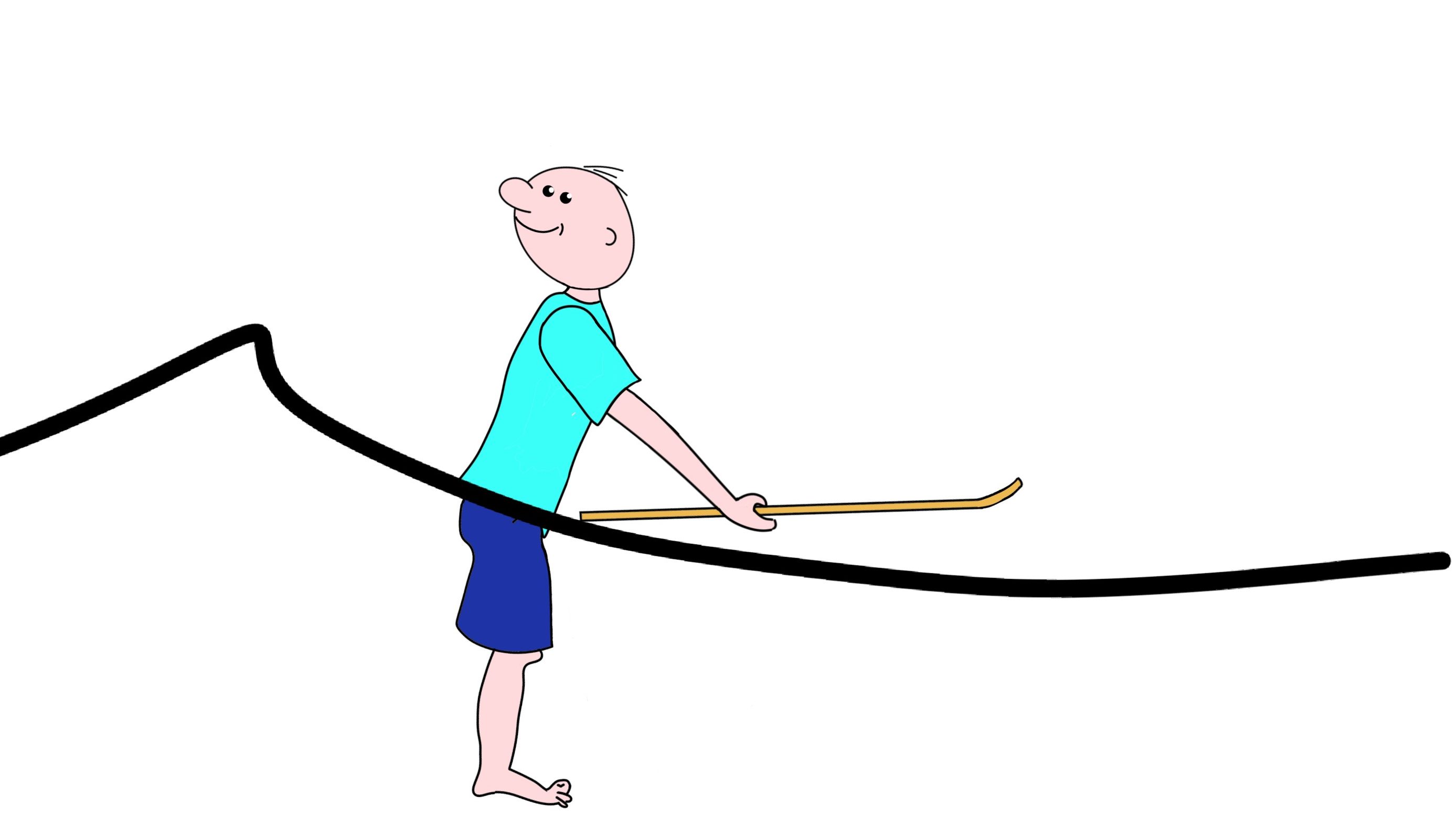
Now there’s a choice.
Some people stand in the ‘traditional’ way (like the picture above), that’s with the Bellyboard held out, parallel to the water, and looking over your shoulder for the ‘Bump’ – the Wall/Swell/Wave. You’ll want to push off with your feet and lay on the board. If your timing is right, you will catch this Bump and it will push you forward.
What I do, is face the waves, keeping the board to the side, and when I see a wave, I turn and jump on the board in one action. Whichever way you do it, you’re aiming to catch a lift.
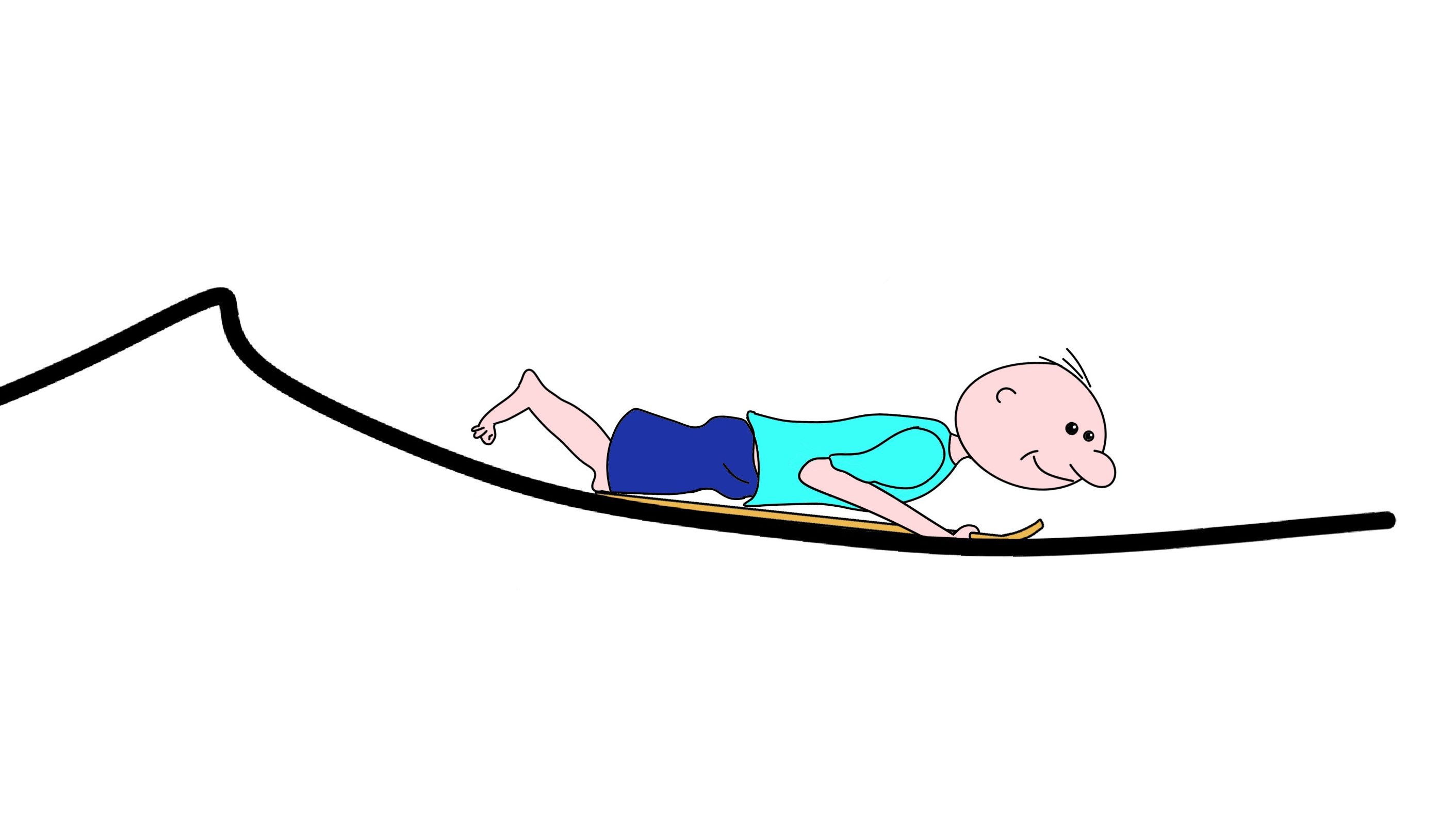
Sometimes you will slide down the swell and then be pushed forward. Sometimes you’ll burst through a wave. Catch it right and the feeling of speed is awesome. Generally you’ll be holding the board by the sides, but you can rest your hands on the board or the nose. One thing to remember is keep your elbows in, next to your body, otherwise they act like a brake. To steer, simply lean your body in the direction you want to go.
When you’re starting, there will be a bit of hit-and-miss. You might jump too soon or too late. After a while, you’ll understand what it is you’re looking for. But, don’t worry, just have fun. There’s no stress about bellyboarding, its all about enjoying yourself. And, honestly, when you catch the wave right you will whizz so fast that you’ll be grinning from ear to ear.
What’s this Pearling thing?
In my blurb I describe my plywood boards as having a rocker to reduce the chance of pearling. So what am I actually talking about? Right, pearling is when the nose of the board (this applies to Surfboards as well) goes down into the water, and then the forward motion forces it deeper. For foot surfers the result is to be tipped off. For us lot it’s a bit more painful!
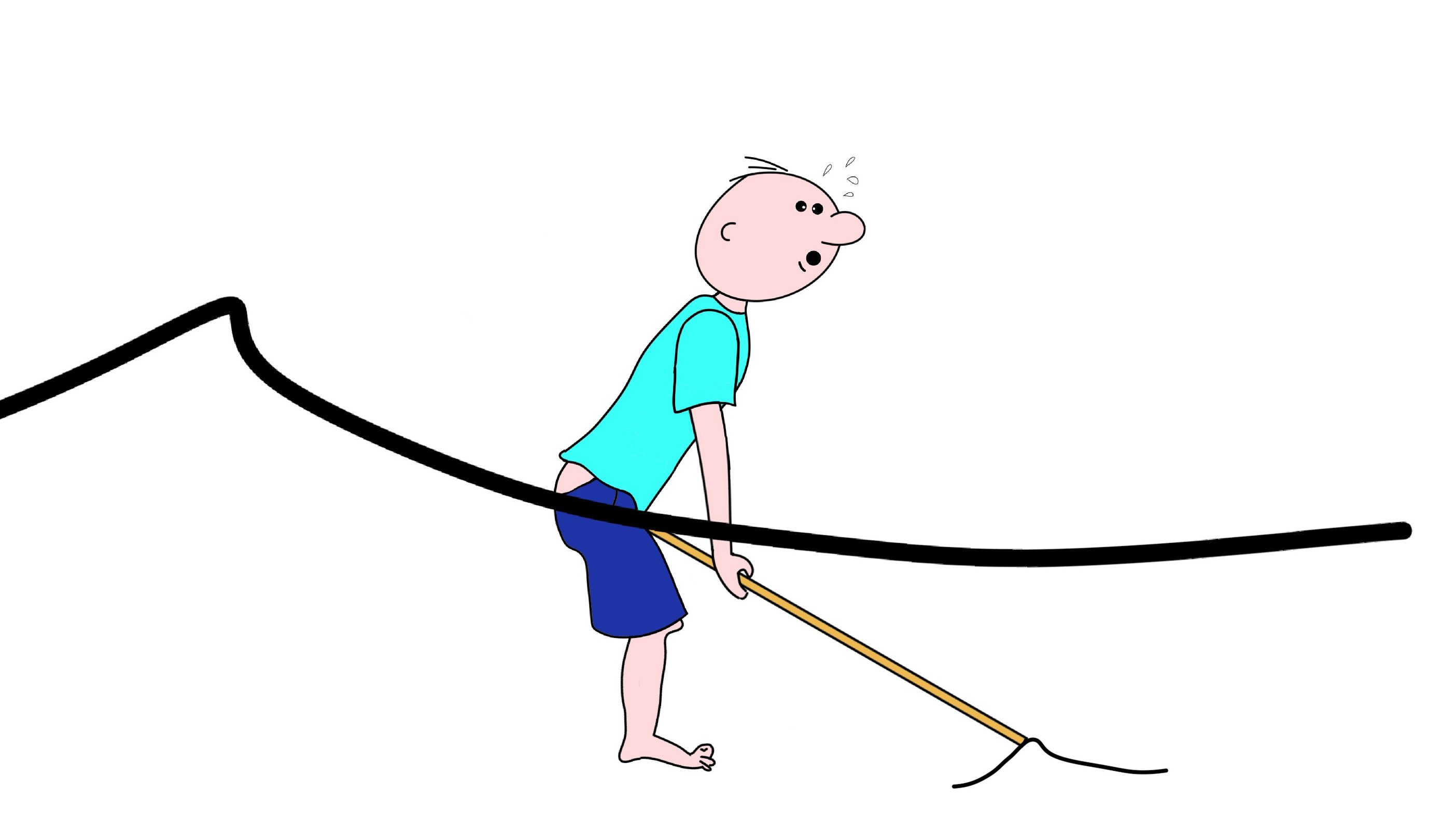
If your bellyboard pearls it’s most likely to dive, nose first, down into the sand, and then stop suddenly. You will carry on moving forward until you collide with your board, which can catch you in your stomach, or right in the credentials!!! If this happens, it’s generally quite memorable! So, that’s where your board’s rocker comes in. The upturned bend on the nose of the bellyboard, reduces the likelihood of it going downwards, therefore pearling.
So I need a Mahoosive Rocker, Yeah?
Well, although the rocker reduces the chances of pearling, it can still happen. So, it’s always best to hold your bellyboard nose upwards before going for a wave.
If you watch old Bellyboarding films, the boards have really big rockers. And, even now, mass-produced bellyboards have almost ninety-degree turns on their noses – They look like Landing Crafts. Personally, I don’t think they’re necessary. I believe…
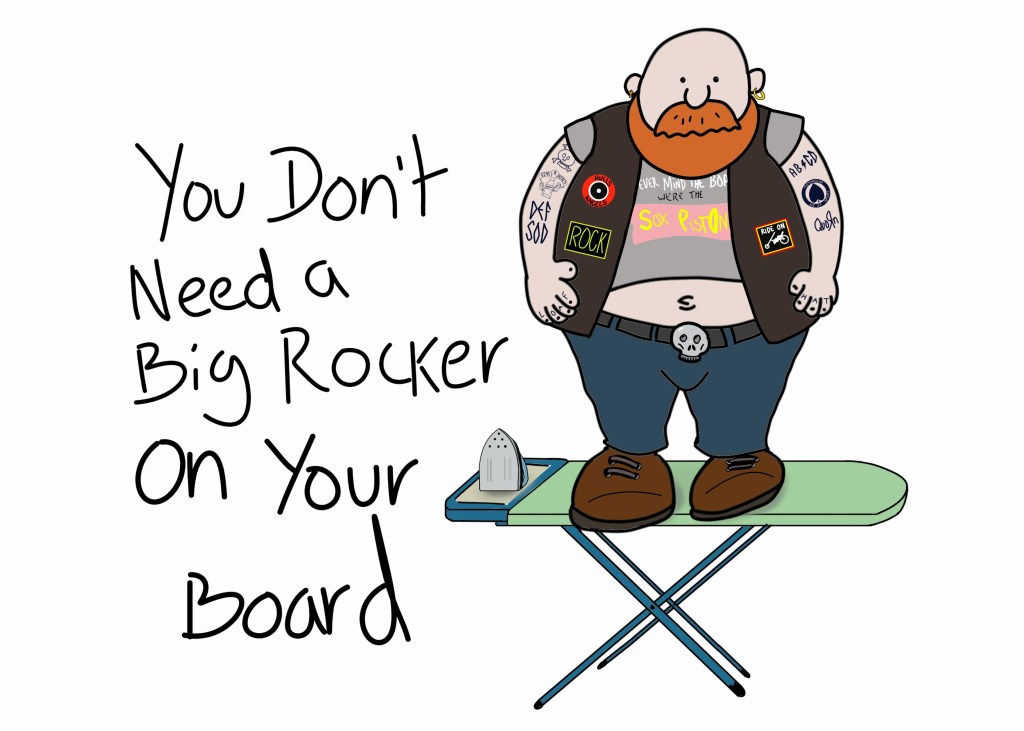
My SkidBoards have no bend at all, just a shaped nose, and I rarely experience pearling. However, it’s all personal choice, so long as it’s not a cheap polystyrene board, you’re doing fine!
Anything Else?
Wax! You’ll definitely benefit from having Surf Wax on your board. This will stop you slipping off. There’s loads of different makes available, just get some that matches the sea temperature.
Leashes? I’ve seen some people fit leashes to their bellyboards. It’s quite easy to do, simply drill a small hole and then thread a loop of shoelace, or similar, through. Then you can attach a bodyboard leash to it. Personally, I’m not sure about using them. If the leash is springy, the bellyboard will ping back to you at force. This could be dodgy if you’re caught up in a big wave. I just keep a very firm grip on the edges of the board if I get tumbled. I have had to chase after my board a couple of times, but not enough to feel that I must have it attached to me.
Now Go And Enjoy Yourself
I think that’s everything you need to know for now. Bellyboarding really is brilliant and easy, so go and make some memories.
 Island City Boards
Leave a comment